
our PROGRESS
Bones, Joints Muscle Health
Helps in Maintaining health is crucial for mobility, strength, and stability. Proper nutrition, exercise, and injury prevention help maintain bone density, joint flexibility, and muscle function, while conditions like arthritis, osteoporosis, and muscle strains can affect these areas and require medical care
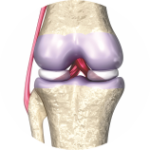
Cartilage & Tendon Health
Cartilage and Tendon Health focuses on maintaining the function of cartilage, which cushions joints, and tendons, which connect muscles to bones. Proper care helps prevent injuries and conditions like tendonitis and cartilage damage, supporting overall joint mobility and strength.

Cognitive Health
Cognitive health refers to the ability to think, learn, remember, and make decisions effectively. It involves maintaining brain function and mental well-being throughout life.
Practices like regular mental exercises, proper sleep, a balanced diet, and stress management contribute to cognitive health and help prevent decline due to aging or conditions like dementia.
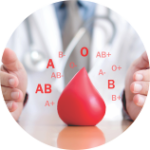
Blood Health
Blood health refers to the overall condition of the blood, including its components like red blood cells, white blood cells, platelets, and plasma.
It is essential for oxygen transport, immune function, clotting, and nutrient delivery. Maintaining blood health involves proper nutrition, hydration, regular exercise, and managing conditions like anaemia, infections, or blood disorders to ensure effective circulation and overall well-being.

Gut Health
Gut health refers to the well-being of the digestive system, particularly the stomach and intestines, which play a key role in nutrient absorption, immune function, and overall health.
Good gut health supports overall vitality and can influence mood and immune responses.
Erectile Dysfunction
Is the inability to achieve or maintain an erection sufficient for sexual activity. It can be caused by physical factors such as heart disease, diabetes, hormonal imbalances, or psychological factors like stress or anxiety.